
Thirty-five(ish) years in public education—you’d think I would have attended dozens of professional conferences, coming home with a branded tote bag and a ream of stapled, shovel-ready ideas for my classroom. That’s the way principals in my experience used to frame attendance at a conference: If we choose to give you a $300 stipend to attend a conference, you’d better bring back materials and lessons for your colleagues. Because that’s why we have conferences: to give teachers new tips and tricks.
Teachers know this, but education-related conferences are almost always done on the cheap. Teachers–even teachers who are conference presenters–often pay part or all of their own expenses, get a rollaway bed so three of them can share a hotel room, split up and attend different sessions to absorb the maximum number of ideas, then maybe pop for a margarita before calling home at bedtime. The high life.
In my 30+ years as a school music teacher, my request to get a day off to attend a conference was turned down repeatedly. The reason was usually because I was the only music teacher in the building, so anything I learned would not be shared beyond the band room. There was very limited money in the budget for conferences (or, for that matter, professional memberships or subscriptions) so STEM or Reading Recovery events were prioritized, as being more likely to impact kids scores.
Administrators also go to conferences, leaving their favorite teacher in charge; presumably they’re expected to bring back “results,” as well. Still—going to a conference, even if you are paying your own mileage, lodging, meals and registration fee, is a perk for teachers.
And not for the new materials or lesson plans.
The value of conferences for educators—as with any gathering of professionals—is in structured opportunities to mingle, to learn, to have long, uninterrupted conversations, to build networks of colleagues with similar values. The purpose of any conference is (or should be) inspiration. The big picture. Hanging with a bunch of people who care as much as you do.
In the age of the internet—where most of us can examine materials and swap lesson plans fluidly—the absolute advantage of a face-to-face conference is the talking and listening, in person. Three decades of communicating on-line (and one godawful pandemic), plus all the tech-bro videos and social platforms—and what have we learned? That you miss something when the person you’re talking with isn’t in the room.
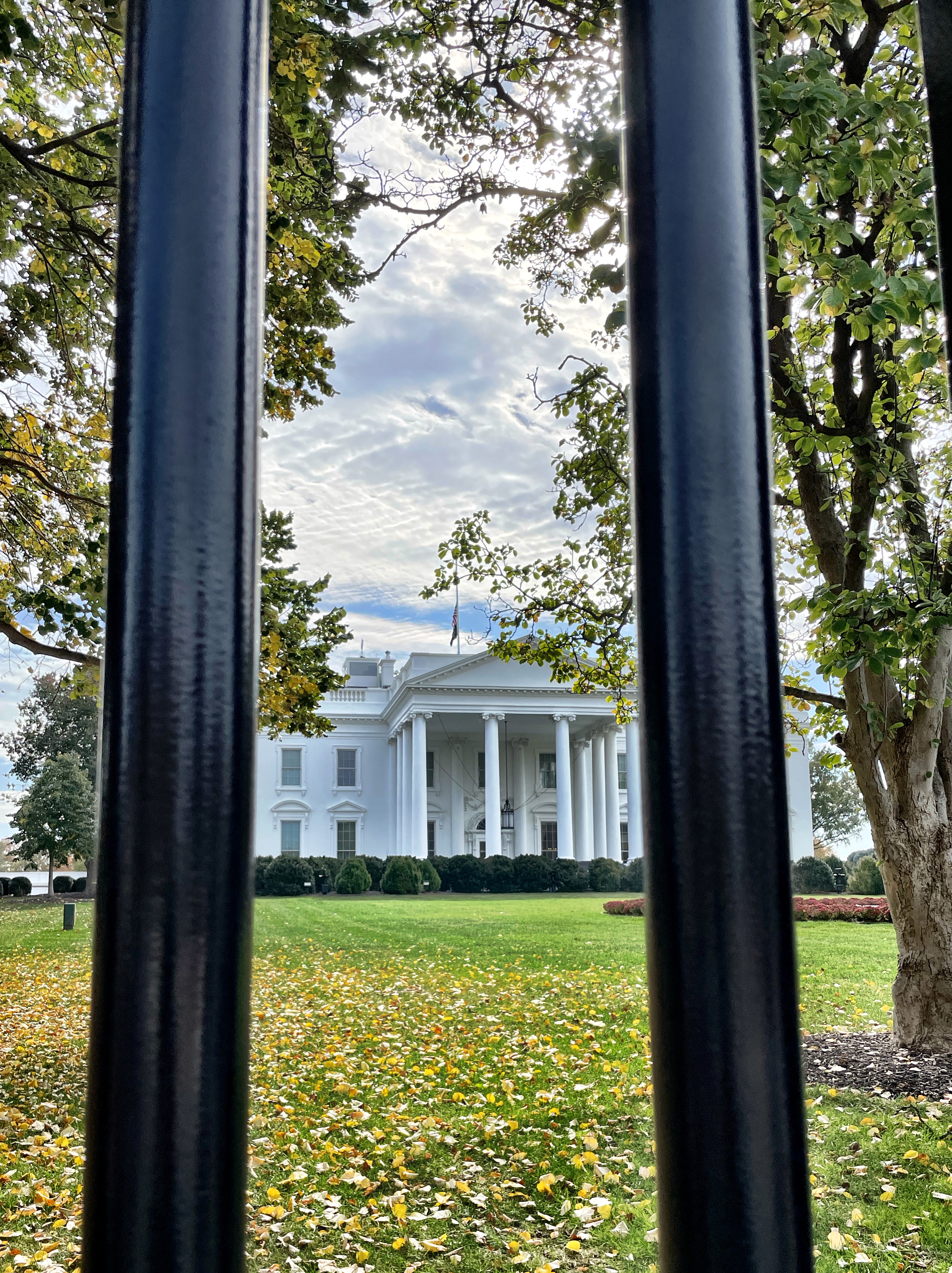
I thought about all of these things while attending the Network for Public Education’s 10th anniversary conference in Washington D.C. last weekend. It was a gorgeous fall weekend—the kind of walking weather where a stroll down to the White House might feel preferable to sitting in sessions centered on countering rabid school board races or hostile state takeovers of ‘failing’ schools.
But no. Every one of the six sessions and five keynotes I attended was both stimulating and encouraging. I heard the inimitable Gloria Ladson-Billings speak, and was stunned by what is happening in Florida and Arizona. I got some tips on running for school board in my local district (#2024Goals) and heard stories of redemption, as well as hideous state-based power plays. What reformers used to call ‘disruption’ now feels like intentional destruction, driven by a single, grasping political party. All over the country.
In the 10 years NPE has been meeting, the tenor of this annual conversation has shifted from the corrosive impact of excessive testing and charter school scandals—So. Many. Scandals.— to outright, in-plain-sight privatization of our best national idea: a free, high-quality public education for every child.
The absolute folly of vouchers—check out Josh Cowen’s work—and the political willingness to blur the lines between church and state are terrifying, all right. So why was I feeling encouraged?
For starters, the fact that the NPE is still meeting, 10 years after its founding, funded largely by individual donations and relatively modest foundational contributions, is reassuring. Many of the conference attendees were still paying their own way—or were attending on the dime of another organization created to defend public education. Money is still how things get done, laws get passed, and ideas take root. Knowing that there are articulate and passionate spokespersonsorganizing to protect public education is heartening.
The second thing I noticed was the number of sessions led by women and people of color. The foot soldiers in the war on public education are teachers, nearly 80% of whom are women. I have been to too many education conferences and symposia where the talking heads were white men with terminal degrees (who were not paying for their own registration fees and babysitters).
Don’t misunderstand—some of my most impressive edu-friends are smart and outspoken white men. But education has long been seen as women’s work, and when I look at the dangers looming—vouchers, religious charter schools, well-funded campaigns against “CRT” and sexual and reproductive autonomy—I see white men, clinging to money and power. If we’re going to stabilize and enhance public education, women need to be at the forefront. One of the most impressive keynotes at the conference: Diane Ravitch moderating a discussion with the two of the most influential labor leaders in the nation—Randi Weingarten of the AFT and Becky Pringle of the NEA (who preached a blistering sermon on those who would deny the value of a public education for all our children).
We built some sight-seeing (and crab-cake eating) into the D.C. journey, including a visit to the Holocaust Museum before heading to the airport. I last visited the Museum shortly after it opened, but its power has not faded. What I found interesting, in 2023, was the three-deep crowds at the display around the Nazi rise to power in the 1930s in Germany.
Twenty-five years ago, that display addressed the eternal question of how so many good German citizens were drawn into a horrendous scheme to conquer their national neighbors and eliminate “undesirables.” It seemed like a temporary madness, driven by economic instability and inherent German nationalism, not to mention a charismatic leader who appealed to a third of the population.
Now, the photos, speeches and commentary feel like a warning.
Public education is not the only thing endangered. It will take hard work and passion to keep the idea of public goods alive and thriving.
 Teacher in a strange land