
It started out as a simple Facebook dispatch from Detroit Public Schools teacher Ann Turner (now retired), an early childhood educator, on the day after southeast Michigan’s first real snowstorm.
We were not able to go out and enjoy the REAL stuff today as only two of my students have snow pants and boots. I would love to gather enough so that all 16 of my students can enjoy and love Michigan winters and snow as much as I do. I have four pairs of snow pants that my own girls have outgrown and two that I picked up at a resale shop. If your child has outgrown last year’s snow pants and/or boots and you would like to donate them to my winter closet, I would be so appreciative. Thanks!
Within two hours, there were 25 responders–fellow teachers and friends, sharing information about sizes, bargain sales and where to drop off donations and purchases. Ann promised to pass any extras on to the other teachers in the building, all of whom have “winter closets”–and know about the restorative power of recess in a Michigan winter. Ann’s next post, the Monday following:
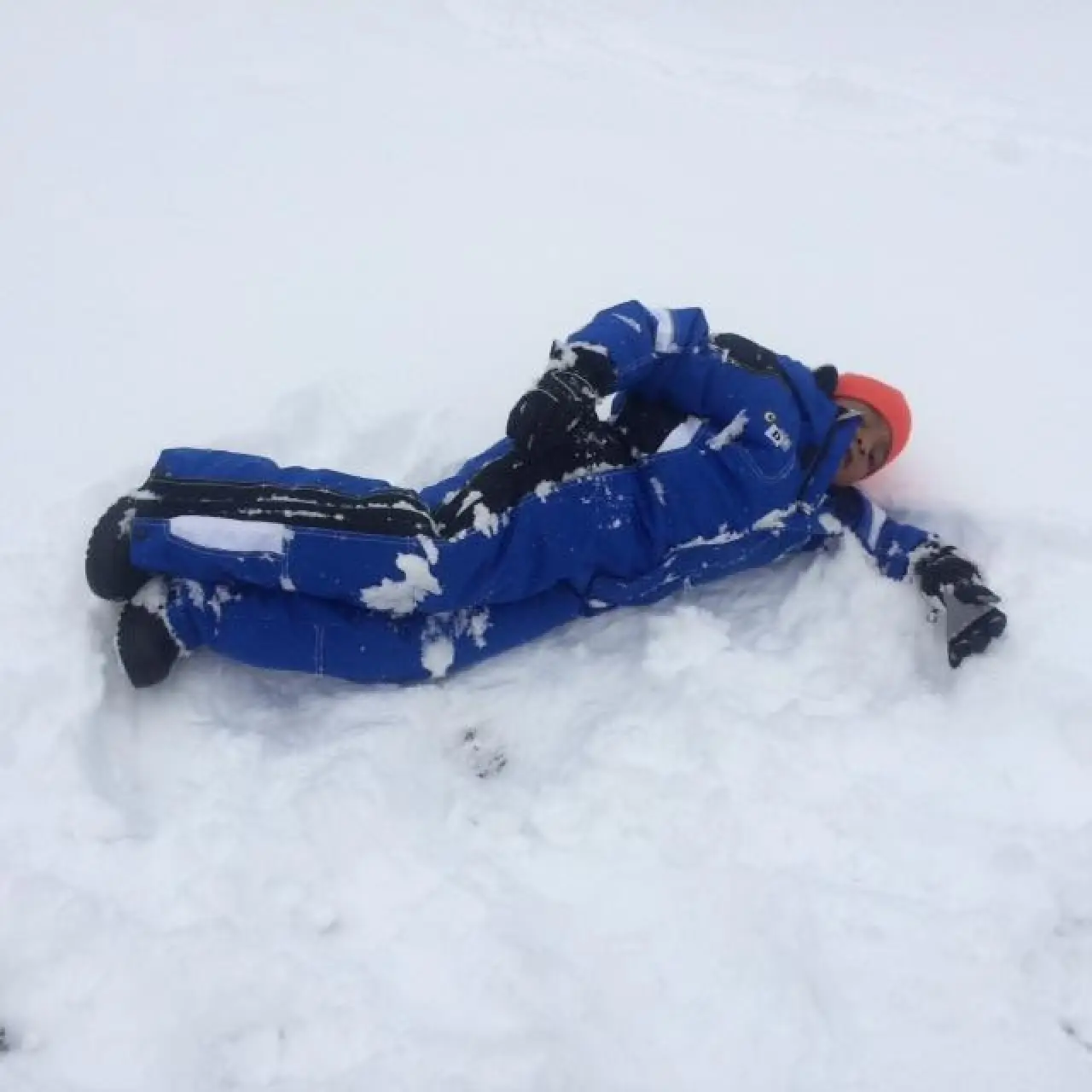
I was SOOOO excited to get to school today because I knew that this would be our first GREAT snow day with all of our new gear! I am not sure who was more excited–me or the kiddos!! After everyone got suited up (that was exhausting), we headed out and we played and we played and we played some more. Some of the kids were amazed at how they could roll around in the snow without getting wet or cold. We made snow cakes, we walked in sled tracks, we made snow angels, we threw the snow, we laughed and we played some more.
When everyone was good and tuckered out, we went in and made hot chocolate. Isn’t that just the perfect day? The first thing they told their parents at pick-up? All about their adventure–and the last thing they said to me is “Are we going out tomorrow?” Thank you ALL for making a difference in the lives of children! Thanking everyone is difficult because some of you were the messengers or middlemen. I hope that you will be able to convey our gratitude to those who assisted in getting these babes suited up!
There’s more–photos and stories–and then, the collecting of snow gear morphed into a full-scale Girl Scout troop project, with the girls shopping the post-Christmas sales with their cookie money.
It’s important, however, to look past the do-good/feel-good aspects of this heartwarming story.
- Only two of Turner’s students had appropriate clothing for winter–and, trust me, snowpants are vital for kids in a Michigan winter. What other essentials are missing in their lives and learning? How do these missing elements contribute to the media-fed narrative of “failing” schools?
- Children in Finland play outside for 15 minutes after every 45-minute lesson. Because the Finns structure their school day using research demonstrating the necessity of invigorating free play for young children. While Turner goes outside to monitor and play with her students, teachers in Finland take coffee and chat breaks with their colleagues. Pauses, movement and conversation consolidate learning and make it stick–anyone who’s ever tried to gather up participants to return to a workshop PowerPoint after a break recognizes this.
- Playing outside in warm clothing, using sleds and snow toys–with follow-up hot chocolate– represented a special treat to the children at Palmer Park Academy in Detroit, courtesy of a dedicated teacher and her kind-hearted friends and colleagues. Kudos to Turner. But–the children in her class deserve free play and a refreshing drink every day, year-round, as part of best pedagogical practice for very young children. The research on this is iron-clad.
- Inevitably, there were questions about whether Turner’s foray to the playground was approved by administrators as an “educational” activity. Since Michigan’s former governor once proposed pre-kindergarten testing as a means of determining whether Michigan was getting a bang for its pre-school funding bucks, this is a legitimate worry for early childhood teachers. Will this healthy exercise reduce test scores–is it more important to stay inside and do some more worksheets?
Anyone who looked at Turner’s photos would have an answer for that. But people making policy around early childhood education aren’t necessarily paying attention to snow angels, rosy cheeks and face-splitting grins.
 Teacher in a strange land