“You never change things by fighting the existing reality. To change something, build a new model that makes the existing model obsolete” (R. Buckminster Fuller)
Buckminster Fuller’s well-known quote was a touchstone for me, in my 30-odd years—and some of them were really odd—of classroom teaching. Whenever things at school started feeling oppressive or dumb—there’s got to be a better way to do X—coming up with a new plan was always a better bet than complaining about the old way. Launch first, ask permission later.
I can pull dozens of examples out of memory here. One major shift I made, for example, as a result of disenchantment with competitive music-making, was dumping ‘chairs and challenges’ in seating my band students. Nobody was doing it at the time. Here’s another: Starr Sackstein’s work on re-thinking grading in favor of different ways to assess student work.
Why fight back against typical practices, if you can devise a better way? School used to be the perfect place to institute new ideas. Let a thousand pilot projects bloom.
I was intrigued to see this, posted at Bluesky, from DeRay McKesson:
Our goal is not to switch places with the bully, but to end bullying. We focus on tactics—how do we beat the bully?—but don’t remember to prepare for the day when the bully is no more. If we don’t have a vision for our desired future, how can we plan to achieve it? When we confront the bully, we reclaim our imagination.
If we confront the bully, we reclaim our imagination. We can create a vision for our desired future. Makes sense to me. Feels a lot like Buckminster Fuller: Come up with something better, then make it happen. Stop fighting.
Now– McKesson, a decade ago, was a Teach for America alum, a charter school supporter, and later, a school administrator. He seems to have left public education (and all its flaws) behind, focusing on activism, BLM, social media and podcasts. He wrote a book. He fought with people on Twitter.
But– I think he’s right. If all we’re doing right now (guiltily raising hand) is re-posting that video clip of Linda McMahon getting body-slammed, we’re not helping preserve, let alone improve, public education. When our focus is on fighting bad policy, especially policy that hasn’t yet been enacted, we need to have better ideas—dreams, if you will—about what public education should look like in our back pocket.
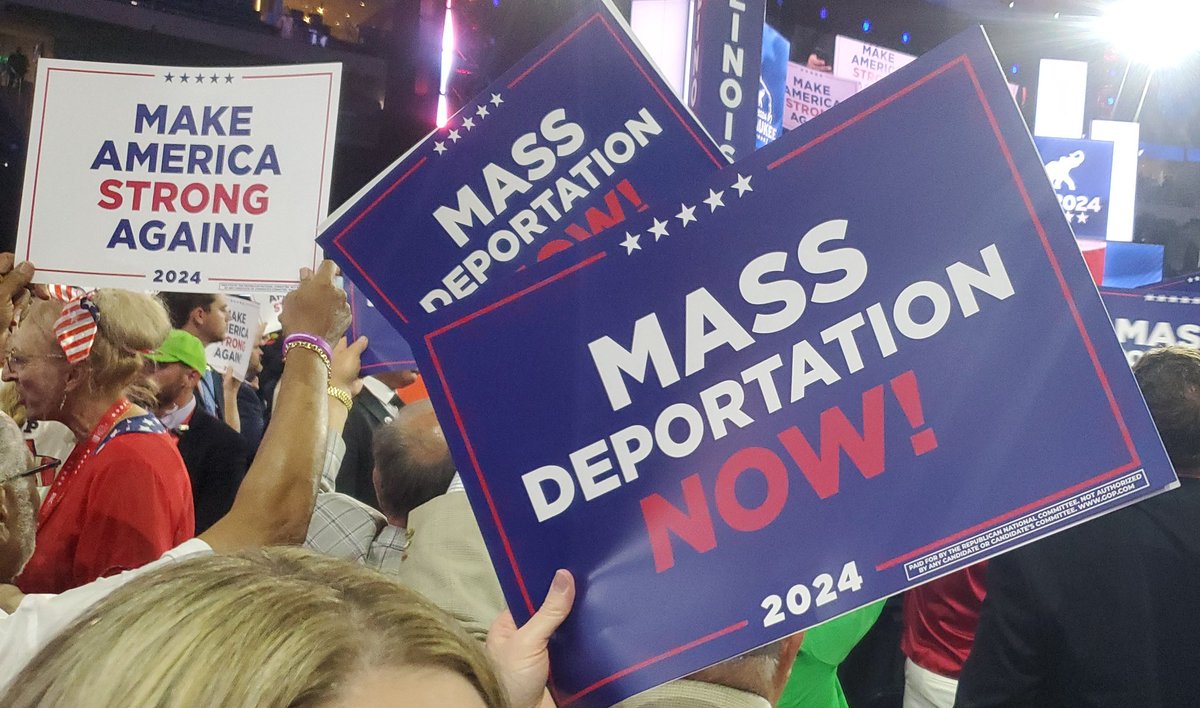
I say this because the incoming administration has dreams:
Donald Trump’s vision for education revolves around a single goal: to rid America’s schools of perceived “ wokeness ” and “left-wing indoctrination.” The president-elect wants to forbid classroom lessons on gender identity and structural racism. He wants to abolish diversity and inclusion offices. He wants to keep transgender athletes out of girls’ sports.
A bible in every classroom. Not to mention vouchers—or whatever visionary scholarship name you want to give them–for all.
Trump’s first term was full of rhetoric and short on action, all Betsy DeVos and grizzly bears, when it came to education policy. Lots more anti-public education non-profits sprang up (and some died), and lots of charter schools also sprang up, using public funds, then failed. But the Department of Education chugged on, as usual, and 85% of kids were enrolled in a public school, a slow slide down from 90% a decade ago.
Educators I know are prone to being frustrated when national political discourse doesn’t include ideas about public education. But that can actually be a bonus. States and local districts are where the policy-making rubber meets the road, when it comes to making public schools better. Policy that genuinely improves what’s happening in public schools looks like what Tim Walz was able to accomplish in Minnesota.
Trump, on the other hand, has a lot of ideas that are deeply unpopular: What Trump will certainly do is pick splashy fights that he can win through executive orders.
So—returning to Buckminster Fuller or DeRay McKesson—what does OUR vision look like?
Here’s one take on that question, from Steve Nelson.
All human learning is interconnected. Depriving children of rich, complex experiences in the service of dull training for standardized math and reading exams actually stunts their math and reading development. Ironic and dumb.
We’re still fighting the bullies who instituted mandatory standardized testing for 8-yr olds, and use the data gathered to harm children. We’re arguing with the idiots who destroyed public education in AZ, in favor of paying for ski lessons and Lego kits for rich kids. We’re brawling with Christian nationalists over Bible-based curricula in Texas public schools.
Where has all this verbal combat gotten us?
Maybe it’s time to create that vision of what schooling could look like—for the same money, with the same workforce, in the same buildings. Imagining that future.
I have a few ideas about that. What does your vision for public education look like?




 Teacher in a strange land