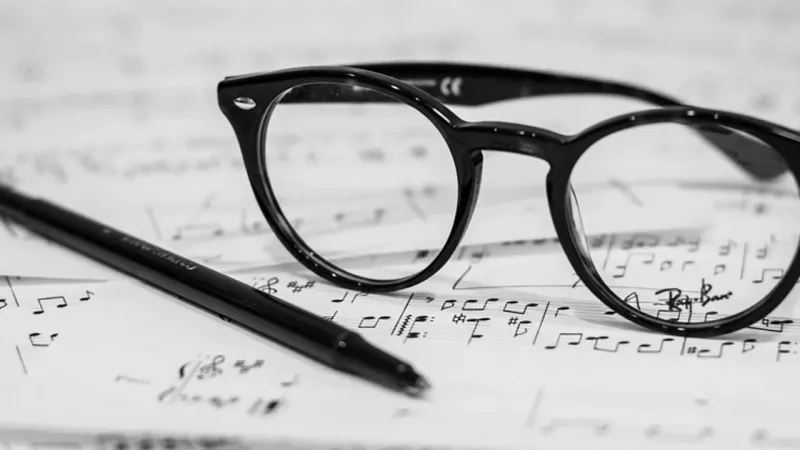
As a music educator, I was always interested in having my students create music, a goal that gets a lot of lip service in the profession (including being one of the four pillars of the National Music Content Standards). It’s a seductive idea—you’ll see music labeled as a creative art in all the curriculum literature.
In real-life music classrooms, it’s a lot more complicated. A whole lot of music education (often the kind preferred by administrators and parents in the community) might best be described as rehearse-rehearse-perform, with the goal being precisely accurate and thoroughly impressive reproduction of already-published music.
There are concerts, parades and halftime shows, maybe an elementary school musical or graded contests. Not a lot of time for messing around with the tools of music, let alone thinking about the cultural importance of music in students’ lives—or even pure enjoyment. In some secondary schools, music is all about competing.
I had some success with students creating their own music (more on that later), but one basic fact I taught all of my students, over more than 30 years, was that there are entertainers and there are songwriters and they are not always one and the same.
If you ask a kindergartener who Beethoven was, chances are he’ll say, “A famous piano player.” And when Michael Jackson died, in 2009, it drove me crazy when the media talked about his greatest hit songs—Thriller!—many of which were written by other people. Of course, there are superstars who write and perform—but there are also music creators whose considerable body of work is interpreted, for better or worse, by other musicians.
I am old enough to remember when folks started talking about intellectual property as something we needed to pay attention to, in schools. (About the time when schools got Xerox machines and the internet.) If you’ve ever been at a middle school talent show, watching kids lip sync and groove to pop tunes, you can identify the urge to copy something fun and sticky. The trick for educators is to get past copying, into generating your own ideas.
Acknowledging songwriters and composers is easy and worthwhile when you’re teaching K-12 music—their names are there on the printed page. Credit where credit is due is a great way to start students thinking about the music in their world and how much fun it might be to produce their own.
I am aware of co-writing credits where any performer’s suggestions about a piece of music turn into recognition (and probably financial reward). Maybe it’s impossible to tease out just who made the notes and lyrics so catchy in a simple, three-chord song. Songs—like recipes—feel like templates for creative exploration. A faster tempo and minor 2nd chord replacing that subdominant and voila! Take a sad song, and make it better.
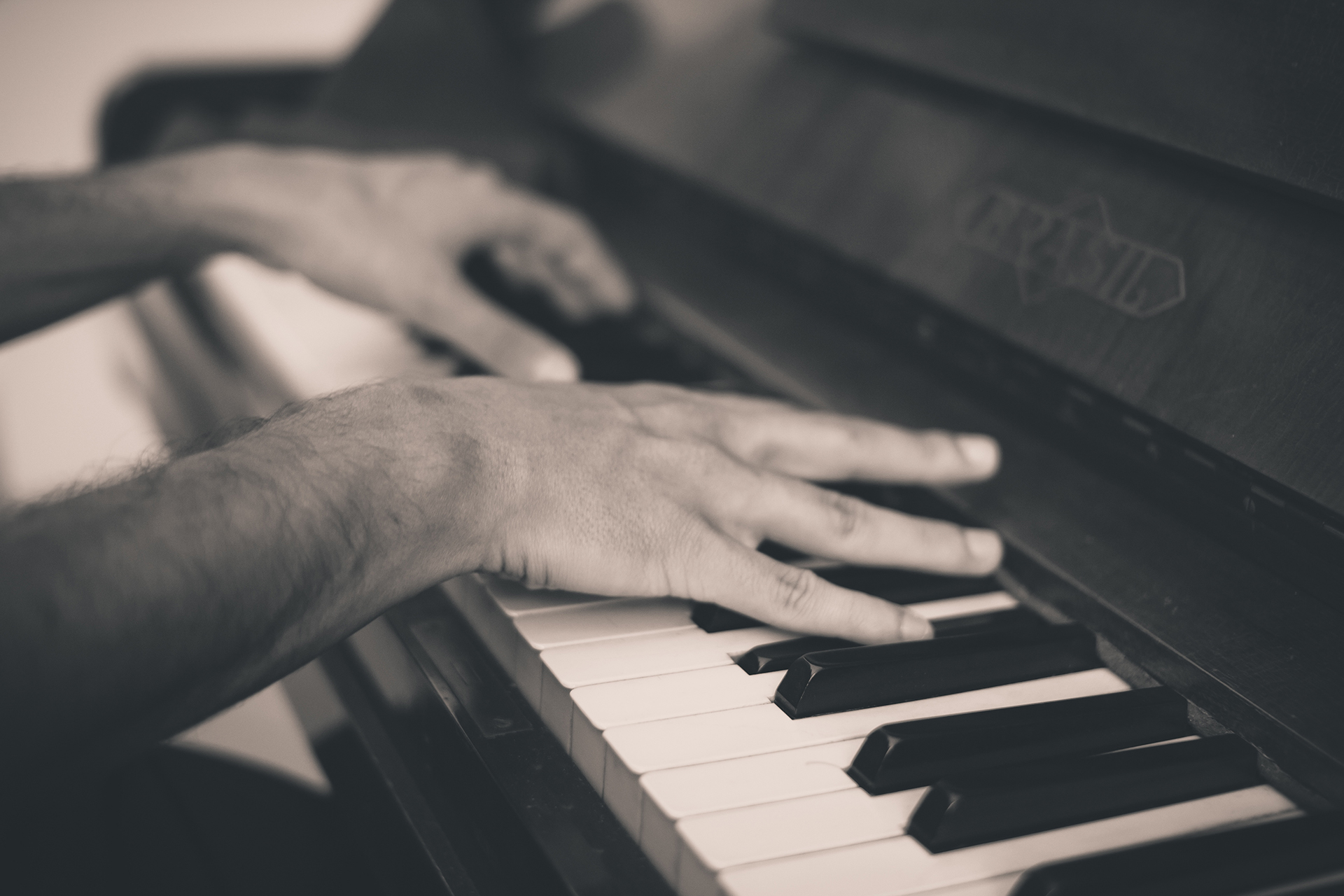
Old bottle, new wine. But still. Carole King wrote some of her best hooks when she considered herself a grind-em-out songwriter, before she sat down at the piano on stage—and then became one (according to the New York Times) of the thirty greatest living American songwriters, with an incredible, innovative catalog of songs.
The NYT piece is fascinating. If you haven’t read it, try naming some of the greatest living songwriters before checking their list. (Confession: there were three of the 30 songwriters I’d never heard of.) Several famous performers were asked to name their favorite songwriters—I found my list corresponded most strongly with Bonnie Raitt’s picks. There’s a quiz to see if you know who wrote some of your go-to songs, and sound samples.
Here’s a free link. It’s a delicious wade into the craft of making sonic art.
So how did this go in my very ordinary middle school band room?
At first, it had to do with technology, when kids had access to audio and video recording at home, and their compositions (solos or groups) could be submitted to me via cassette or disc, then email. The assignment was always broad, and I listened to a lot (and I mean A LOT) of meandering drum solos. But they were creating.
Middle school students were often surprised that ‘songwriters’ didn’t mean people who put music on paper, necessarily. Getting past that, to the idea of trying out an original melody on your band instrument, maybe having your friend the euphonium player drone some long notes underneath. Fooling around, then recording. The rubric for success was “sounds good to you.”
Then we got new warmup books that had blues scales in them and I started to do some of what might be called instructional scaffolding with second- and third-year band kids. We learned the basic twelve-bar blues progression, and kids started improvising blues riffs, using the notes in the chord sequence. The key was not being afraid to make mistakes—the exact opposite of how we usually teach musical performance.
I should repeat that, because that’s what creativity is, in a nutshell: not being anxious about trying something, trusting your own judgment, editing and listening to criticism. Trying again. Starting with a classic template—then making it your own.
One observation: once you encourage kids to create their own music, they’re going to want you to listen to any number of pieces they write. Nothing to do with grades or assignments—just fun.
We spend way too much time pursuing right answers. Isn’t it ironic?


Interesting reaction to the NYT listhttps://stevenmintz.substack.com/p/clickbait-dressed-in-the-clothes
LikeLike
I don’t disagree– the NYT piece was clearly clickbait, with arbitrary selection guidelines, honoring the commercially successful way more than the artistically proficient and innovative. But if Mintz had written a piece identifying, say, the 100 best songwriters of the past century in America, someone with different musical tastes would have instantly produced a rebuttal. It’s music. And, as Duke Ellington said, there’s only two kinds of music: Good music and the other kind.
LikeLiked by 1 person
Our motto in the 6th and 7th grade math-science newcomers class I’m covering this year is “Embrace our mistakes!”
I aspire to establish a culture of creativity through failing forward. It continues to be pretty countercultural.
LikeLiked by 1 person
Countercultural. Great word, when it comes to schools.
And nobody realizes how difficult it is to be countercultural, until they’ve tried it.
LikeLike