Bomb Threats in Schools

Raise your hand if you’ve ever experienced a bomb threat in your school.

I have, perhaps a half-dozen times over the span of a few years, teaching at both a middle school and a high school. The first time was mostly confusing. There was a P.A. announcement, and—following fire drill procedures—we led our classes to the far edge of the parking lot, where they stood in ragged lines. Most of the students were nervous and joking about who might have called in a bomb threat. The police came, with dogs, and went through the building. Nada.

The next time it happened, that year, it was cold and snowing. Kids went outdoors without coats. Buses were dispersed as soon as the drivers could get there, and 600 shivering kids were sent to the HS, two miles away, and sat in the auditorium for a couple of hours. They were bored and restless and had to go to the bathroom NOW because it was AN EMERGENCY.

Teachers clustered in the aisles, quietly sharing the names of kids who were absent and speculating. Someone found a VCR in the projection booth and put on a G-rated movie, which acted as an ineffective numbing drug.  We ended up losing close to three hours before the building was cleared and we could go back.

Then it happened again. Kids were bused again. But this time, the Superintendent came in and tried to scare them straight. We WILL find the culprit, he said. He WILL be expelled, and maybe spend time in Juvie. If you’ve heard anybody say they know who did this, tell us. We’ll protect you and it’s the right thing to do. Just tell the principal or one of your teachers.

Now—I taught in a nearly all-white, suburban school, where most parents had college degrees and came to parent-teacher conferences. They didn’t want their kids to lose learning time because a couple of delinquents thought it was funny to call in what amounted to terrorist threats.

I mention that it was an all-white school not because Black or Hispanic parents would expect or tolerate bomb threats – they wouldn’t, then or now—but because there was no small, minority group of students to automatically blame (as, let’s be honest, would have happened, evidence-free). Whoever called in the threats was most likely one of our own white kids, living in a nice subdivision with their mom and dad.

The fourth time it happened, teachers were privately notified by notes sent from the office. See anything unusual in your classroom? Restrooms will be closed during passing time. There will be cops in the hall. There had been a bomb threat at the high school, too (where I was supposed to be headed, later in the afternoon). Rumors swirled.

In Michigan we take bomb threats very seriously. The worst school disaster in Michigan—the Bath School Massacre, nearly a century ago—killed 38 children and 6 adults, injuring 58 others. It was a homemade bomb, planted and set off by a school board member, angry about taxes. (Really.) Sometimes, tragedy set off by idiots actually happens.

The bomb threat caller at my school was eventually identified and known only to officials. Teachers were not informed, nor was the public, leading one to believe that the bomb caller was probably in the 7th grade or thereabouts. They disrupted learning, cost the district significant money and made a lot of people apprehensive. They made school leaders’ lives miserable, and spurred parent demands.

They metaphorically yelled FIRE! in a crowded theater. But nobody was injured or dead.  These days, when real-life school shooters have terrified, injured or killed more than 338,000 kids in the past quarter-century, that’s a success story.

Those calling in bomb threats to elementary and middle schools in Springfield, OH—not to mention a hospital and City Hall–are terrorists, all right. And the targets of their wrath are innocent children. They fall into the most dangerous category of would-be school bombers: Hate bombers. Those who would kill the vulnerable for ideological, racial, religious or ethnic reasons.

And, as the harried Mayor of Springfield correctly noted: It was their words that did it.

Whose words? Why, their own Senator from Ohio, who admitted he may have “created” the story of abducted dogs, cats and geese. And his blabbermouth running mate, who wants to run American Carnage Nation again.

Karine Jean-Pierre, Biden’s Press Secretary on the migrant pet hoax: What is happening here is an attempt to tear apart communities … maybe we should not have leaders who fall for fake internet conspiracy theories. We should think about that.

But, of course, Trump saw the pets-for-dinner story on TV. So it must be true.

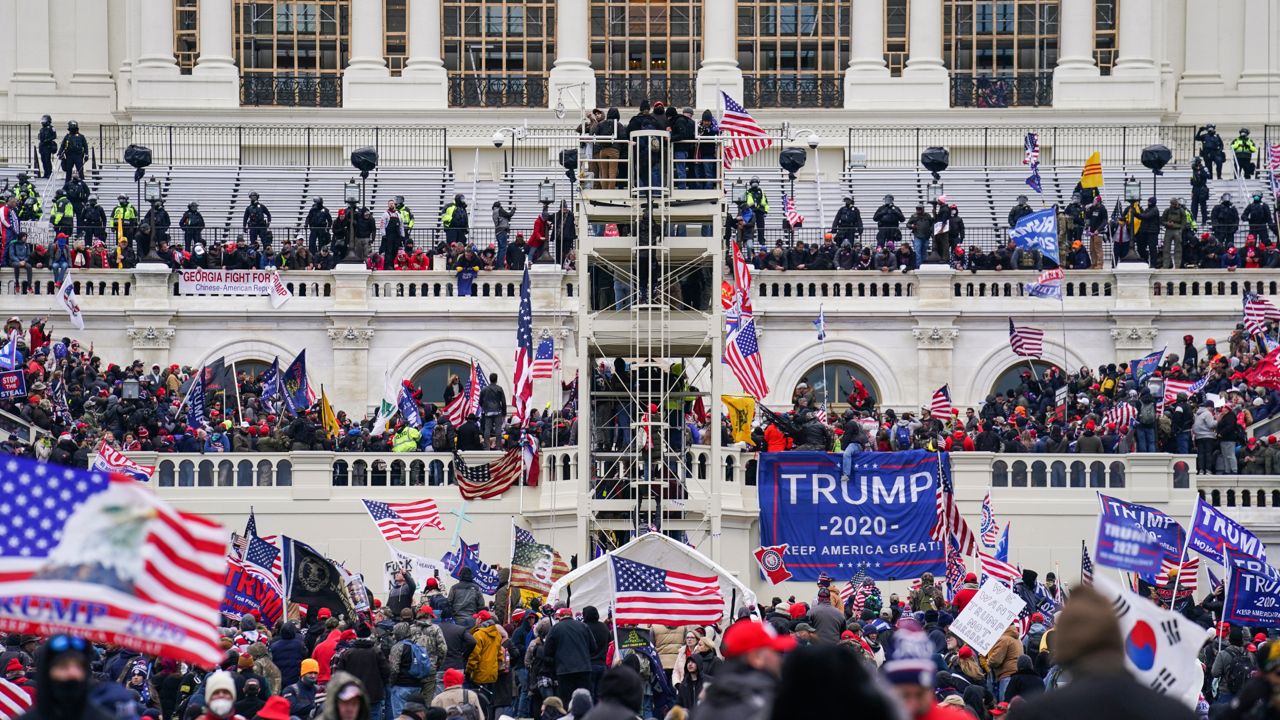
I wonder if he saw the smashed windows and shutdowns. Or the Proud Boys.

Fomenting violence! Against children! What a disgrace.

If you’re still hanging around Twitter (and good on you if you’re not)—look up New York Times Pitchbot, authored by @DougJBalloon. Who may have made the most bitterly satirical post about the whole bomb threat situation in Ohio:

I have never been a supporter of Donald Trump. But if Democrats cannot keep his diehard fans from making bomb threats to schools, I’ll have no choice but to vote for him for a third time.

Forget the “Undecided.” Focus on the Timid.

I read the NY Times daily (I know, I know…) and am an avid follower of their political focus groups. Little sketched heads with thumbnail descriptors (“Bill, white, Florida, 73 years old, voted Trump in 2020”) and their responses to some pretty good policy- and character-focused questions.

To which, they give answers which make me wonder just who their 9th grade Civics teachers were. Lately, the spotlight has been on “undecided” voters, nearly all of whom, IMHO, decided long ago whether to vote and which holes they’ll be punching, behind the curtain, but are anxious to be recognized and asked about their views.

I guess there’s some social cachet in being an “undecided” voter—so discriminating!– but for anyone who can name the people running for President and Congress in their state and district, this election feels like there’s been plenty of information and exposure to what the candidates represent:    The New York Times says undecided voters want more “fine print” details. Really? They’re so lightly engaged that they haven’t made up their minds yet, but they want to dive into the intricacies of tax policy? Unlikely.

In addition, the 67 million people who tuned into the debate on Tuesday got an incredibly clear picture of the candidates’ character and policy goals (or lack thereof).

Here are the people who interest me: The timid. The folks who claim to not be interested in politics. The ones who blanch at the critiquing of men too old and confused to lead the most powerful nation on the planet. Who just want to, you know, get along.

Some of these are people whose votes represent old habits, the influence of their social circles. Some of them are fearful.

Whether that’s fear of change (Will the country finally get a woman in the White House? Will a new president mean that I lose privileges I currently enjoy?)–or fear of breaking away from baked-in but no longer relevant beliefs (Republicans are pro-business and therefore better understand economics, right?), it’s hard to say.

I have written about these voters before—the ones who seem to operate from the gut, whether their gut was telling them to be angry, suspicious… or joyful.

Fact-checking engages only the most involved and informed voters. It doesn’t matter how many times you point out who wrote Project 2025, and how deeply they are enmeshed in the Trump campaign, if you got an oversized postcard from Trump (got four this week) saying he’s disavowed it, well—who are you going to trust?

This is how voters get suckered into believing literally ridiculous claims (Pets for dinner! Executing newborns!) and conspiracies.

Since President Biden’s withdrawal in July, I have joined three Facebook groups and re-activated my interest in another, all groups of women who are planning to vote for Kamala Harris. One group goes all the way back to the Womens March in 2017. Collectively, there are over half a million women reading and posting to these particular groups. And there are hundreds more of these pages, around the country.

And what gets posted and discussed—long, long discussion threads—is fascinating.

It started out with middle-aged women in pearls, blue nail polish and Chuck Taylors. The things they’ve made—hand-painted signs, KAMALA quilts, jewelry and So. Much. Blue.  It was fun to skim, and thousands of new women were joining every day, calling out their towns and looking for friends’ names.

People would post stuff like: My husband says no yard signs, so I just made this blue wreath (beautiful photo) for our front door, and a few hundred women would compliment the wreath and a handful might wonder out loud why the wreath-maker doesn’t get a vote, re: yard signs.

The tone is generally upbeat—finding each other, sharing values—but there have been many, many thoughtful threads discussing how to deal with Trump voters among your friends and family. Some of those conversations are heartbreaking; you realize how divided we have become, and why.

There’s chat about issues, including but not limited to abortion. In every thread, there is someone who says Thank God for this group. I have nobody to talk to.

This is a real thing, this political loneliness. (See,for example: The Lonely Anger of Democratic Women in North Carolina.)

It all comes down to circles of influence. Who do we talk to? Who do we believe?

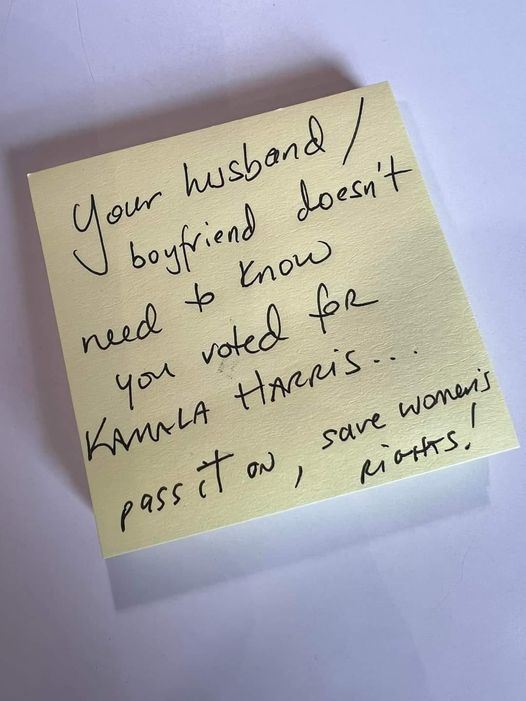
That’s why the post-it note campaign, reminding women that their vote is private, via a little fluorescent square in a public or business restroom, moved me to near-tears.

It’s easy, now, to think that my vote has always been my own, but I’ve lived through eras when women voted as their husbands told them to. My grandmother got to vote, for the first time, in 1924, at the age of 34. I asked her if she remembered who she voted for. She couldn’t, but she did remember asking her younger brother who to vote for.  And she voted for that party for the rest of her life—another 70 years!

This may be the year that women decide to take back our rights.

In the absolute privacy of the voting booth.

 Welcome to the Three-month Campaign! Seriously. Welcome.

More than four years ago, in April 2020, I wrote this ridiculously optimistic piece: A Dozen Good Things that Could (Just Maybe) Happen as a Result of this Pandemic.

Every now and then, I pull it up, shaking my head over the concept that an unprecedented global pandemic could shake loose great ideas and get folks to—tick-tock!—act on them, a kind of “if you only had six months to live…” scenario for the nation.

In my own defense, I had barely been out of the house for weeks and had been fixated on the horrifying numbers and clown-show daily ‘briefings’ from the White House. Doom-scrolling and baking aren’t conducive to embracing political realities.

I still think they were good, actionable options for change, however. Where I was totally wrong: the communal lessons that might be learned from surviving a pandemic, together. In fact, I was most wrong about the “together” part, which never really got a toehold, even as the virus took its terrible toll.

Some of us are uniters. And some are dividers. Lately, the dividers have been winning.

Response to the blog could be summarized as: I wish. People wished that the pandemic would lead to better health care, better air and water quality, renewed friendships. But they didn’t see even a global catastrophe moving the needle here in the land of the brave. The one good thing that came from the pandemic where I live? A third of my county finally got the internet.

In April of 2020, Joe Biden had just been named the presumptive nominee for President. In the previous ten months, we’d been exposed to 11 debates, with so many candidates (20) that they were sometimes split into two groups, debating on different nights. It seemed pretty clear that a full year and a half of campaigning did nobody (except perhaps the 2020 incumbent) any good.

Here’s what I wrote, in April of 2020:

How about a complete re-do of American elections?  For once, the hype is true: this election matters more than any in your lifetime. If the Democrats hang tough (and they should), we might get national mail-in voting with other policies that make registration and voting easier for the November election. Americans overwhelmingly want this.

There could be even more, given a Democratic Congress and Executive branch in the fall. We could jettison or alter the Electoral College.  We could also pass a law limiting the presidential primary, given the headaches, unnecessary spending and ultimate results we got. Canada, our closest and most similar neighbor, elected its last prime minister in eleven weeks.

Thought experiment: Imagine that Congress passed a law limiting primaries to six months, still way longer than other first-world nations, and set a national primary date with top-three, rank-order voting. That would mean campaigning for November 2020 would begin next month! Knowing what we know now about the world—would debates be about more than the horse race and which state votes first and gotcha questions? If we overturned Citizens United, and set spending limits (again, like other nations), we might ultimately get ourselves a reasonable set of qualified candidates and a fair election.

Am I glad Joe Biden eventually prevailed in 2020? Absolutely. And I agree with all the commentary about his successful presidency and heroic decision to stand down.

But I am flat-out amazed at what has happened in the past week, with so little primary-like fuss and fanfare, soundbites, rallies and pounced-on gaffes. And I can’t help wondering why we haven’t shut down the perpetual campaign machine in favor of limiting the time and money spent, given the results we get. Is this about the media and revenue streams?

I wish I had a dollar for every time someone complained about TV ads, mailings, yard signs and repellent messaging. And if I had a dollar for every voter who didn’t pay attention to politics, I’d be in the Forbes 500.

The three-month campaign ahead of us feels positively refreshing. It will be intense—it should be—but it will be over soon. Michigan voters can send in their ballots 40 days before November 5th. The end of September.

There’s been some talk about how risky the Harris candidacy is, floating the possibility of a mini-primary or reasons to re-think promoting the Vice President. But I think Rebecca Traister gets this exactly right in this column: The Case for Being Unburdened by What Has Been. The thrill of taking a huge risk on Kamala Harris.

 Our national political narrative [is] finally accurately mirroring our national reality: Everything is scary, we have never been here before, we don’t know if we can do this, and precisely because these stakes are so high, we are at last going to act like it, by taking unprecedented, untested, under-polled, creative measures to change, grow and fight at a pitch that meets the gravity of the urgent, existentially important task in front of us.

The word I like most here is “urgent.”  Things can go wrong with a long, leisurely primary season where a party eventually settles on just the right candidate. (See: 2016.) They’ve gone wrong in any number of elections, convention or primary, over two centuries plus. Sometimes, making a good-faith choice and jumping off the electoral cliff works out.

In the meantime, listen to Keb Mo. He’s got the right idea.

Critical Issues and Minutiae of Public Education

I have been fascinated, in the past 48 hours, by online conversations about the tumultuous political week we have just lived through—especially the comments and questions generated by teachers.

Non-teachers are heartbroken or thrilled or both, by the Biden step-down. They’re nosing out the negative PR and potential VP picks of the presumptive new nominee. There are running threads and analyses around the assassination attempt, a mass shooting where everyone knew the intended (again, presumptive) target, a change from the faceless victims—many children, damn it—of other mass shootings.

So much is in flux. So many building blocks of democracy, teetering on the edge. Including public education.

But we’re approaching (in many parts of the country) the beginning of the school year. Much of the ongoing cyber-conversation around public education centers on clearing back-to-school lists (i.e., teachers begging for essential supplies the school can’t afford), the futility of professional development for yet another silver-bullet reading program, why teachers aren’t paid for setting up their classrooms and other garden-variety School Stuff. The kinds of issues and beefs we see annually.

There are a hundred things that weigh heavily on teachers’ minds as they prepare for another year. What I’m wondering is if teachers are focused on the trees, rather than the destruction of the public education forest. Because focusing on bulletin boards and class lists instead of the section of Project 2025 that deals with education feels do-able, not overwhelming. Or terrifying.

Washington Post advice columnist Carolyn Hax posted a letter about a “rude” teacher who created individual certificates for each of her students at the end of the year. The mother who wrote the letter was upset that individual kids were nicknamed Class Clown and Social Butterfly and–gasp!–her daughter was designated “Miss Manners.” So upset that she reported her ire to the superintendent, after the principal gently suggested these certificates were warm-hearted, not criticisms of children’s character.

Aside from the fact that many parents would be delighted or relieved were their child awarded recognition for having excellent manners—the letter bothered me way more than it should have. Because I have been that teacher, striving at the end of the year to recognize and acknowledge students’ achievements, but also their individual quirks, their signature traits, their contribution to the musical community we built.

Hax rightfully chides the mom for attacking a well-meaning second grade teacher, on the last day of school, no less. But what most folks—non-teachers—will miss is that the success of any teacher, broadly defined, lies in building honest relationships with kids who bring varying intellectual and emotional strengths to school.

Not everyone is an academic superstar or natural helper. Many students will need to be coaxed or cajoled into effort, participation and belonging. Those skills are just as important as content expertise, a full toolbag of instructional techniques and endlessly logged data.

My own end-of-year awards included every band kid. Now—decades later—I still hear from students who remember the last full day of school (after the instruments were all oiled and stored for the summer, the music sorted and filed, and the sink—yuck—cleaned and shiny): The thank-yous. The in-jokes for band members. The Jolly Ranchers. The camaraderie. I recently heard from a woman who remembered winning the “Most Improved Section” award—and she was the only oboe. She included a smiley face.

The Hax column drew hundreds of responses from teachers.

Today, I have been watching teachers on social media saying:  Be kind to the social studies teachers in your building. We’ll be working on overdrive!

Well, yes. You go, teachers. The world is on fire, and your job is to pretend that the only thing that matters is following the prescribed curriculum and keeping your head down in the classroom. We get it—and we love and support you.

But as we launch 2024-25, it is incumbent upon all of us whose livelihoods are not threatened by free speech to keep education policy and the very real threat to public education bubbling up every day on social media and in our friend groups.

 It’s been a wild couple of weeks. But keep your eyes on both the threat and the prize.

Just How Bad are Things?

I have to say this: the left side of the aisle has WAY better memes than the right side. From the bold, white-on-black “I Dissent” to the Martha Gelhorn quote“If we mean to keep any control over our world, we must be interested in politics”—Dem-flavored bon mots have more wisdom and wit (“Come celebrate our last Fourth of July!”) than bible-verses-with-guns Tweets from the right.

But damn. This has been a rough few days for those of us who believe Martha Gelhorn was right.

Anne Lamott is right, too: It’s so horrible to have to deal with last night etc without Molly Ivins, but I know exactly what she would say: “Sweetpea, let’s have this conversation in a week or two.”

And for most of us, that’s about the best we can do. Right now.

Wait and see.

Choices will be made. We can decide to live with them, and act accordingly. Or not.

I was in the classroom for a long time. And many times—many, many times—we rode rough political waves, and I would think (after a third millage loss, or the Governor establishing our state-based employees as Right to Work, etc.) that All Was Lost.

I remember thinking, more than once, that we had reached rock bottom as a school district. Maybe it was when the Superintendent hired armed guards to hang around and threaten picketing teachers? And some of those freshly trained armed guards were our recent graduates?

I also remember being pregnant in the 1980s, and having a conversation with a similarly pregnant mother about our reservations at bringing children into the kind of world that would elect Ronald Reagan.

I’d call what I thought was disastrous then, compared to what’s happening right now, a failure of imagination.

That pregnant friend? We had healthy political discussions, once our girls were born, about how to resist the greed and trickle-down economy by teaching our children and students about diversity and equity, the things that made our country great. OUR schools were going to make a difference in kids’ lives. Give them skills—and hope.

That was then, of course.

I never, ever would have predicted what has happened to public education—the organized and well-funded attacks, the false accusations—back then.

Nor, of course, would I have foreseen the outcomes of the Trump presidency:  the criminal indictments, the election denial, the January 6th insurrection, the collapse of the Supreme Court. The Covid deaths. The loss of reproductive rights, and danger to women’s health.

Yeah, it’s really bad.

But the trick is not losing hope. Thinking creatively, rather than defensively. 

Otto von Bismarck said—Politics is the art of the possible, the attainable… We have certainly been shown what is attainable, this week—overturning centuries of precedent to save one man. But there are possibilities for the left, as well. We need leadership.

What can Joe Citizen do, right now?

Stay informed. Read selectively. Express yourself to friends, with receipts. Stay calm—take your vacation and unplug, and come back ready to pitch in, whatever you can spare, to ensure a safe election. Because this one really matters.

My best friend and I drove down to Washington D.C. in January of 2017, for the Women’s March, to be part of history and to fan the flames of hope. To think: We are not alone. Four years later, the Proud Boys and Oath Keepers and a few thousand friends broke into the Capitol. I am guessing they were there to feel connected as well.

What happened in those four years?

Ignoring the Real World in the Classroom

Are you reading Jess Piper? If not—start now.

Piper is a Missouri educator (among other things) whose commentary on teaching in a bright red state, and having been raised in a fundamentalist church, rings my chimes, again and again. She ran for a position in the MO State Legislature in 2022, and lost—but her blogged reflections on that experience amount to an answer to the question uppermost on my mind in 2024: How can people vote for a confirmed liar and obvious scam artist? Who are these people?

Today, her Substack blog described teaching on January 6, 2021, as the US Capitol was being overrun by Proud Boys, Oath Keepers and assorted other rage-filled people with improvised weapons:

What would I say when I started class?

I told them the truth. I told them the US Capitol was under attack. They asked by whom? Again, I told them the truth. By Americans.

My students wanted me to turn on the news, but I decided against it, fearing they may see something they would never be able to unsee. I am of the Space Shuttle Challenger disaster generation, and I was always overly-careful about what they saw in my classroom.

I don’t remember how much 7th hour accomplished that day, but I’d say it was minimal. I think we talked about what our country was experiencing…the division.

And next, of course, came the classic example of chickenshit leadership in schools: A warning from the Superintendent not to discuss the biggest news story of the year, a story that has had an impact on everyone in the United States for the past three and a half years.

Her story resonated with me. I’m considerably older than Piper, and I can remember many times when teachers in my school were directed by an administrator not to talk about a headline story—stories that were easily, overwhelmingly available and playing constantly via whatever media was being piped into our students’ homes and brains.

I remember discussing Anita Hill—I believed her—in the teachers’ lounge, and watching my male colleagues smirk about Clarence Thomas and a certain Coke can.  Bill Clinton’s affair with Monica Lewinsky—something happening on TV, day in and out–was similarly verboten.

A friend teaching in my district was written up for responding to a question from a student about the Jonestown Massacre, when 901 Americans died by drinking cyanide-laced Kool-Aid, influenced by cult leader Jim Jones. And the Flint Water Crisis, happening 20 miles up the road from my school, was “not in the curriculum” and not to be mentioned in class.

What happens when teachers can’t take questions about the daily news? It makes us look like idiots, for starters. Uninformed content-dispensers, unable to connect facts to causes or outcomes. What have our students learned from our unwillingness to discuss national crises, like 9/11? 

In November of 2000, when the outcome of the Presidential election hung in the balance for more than a month, the room across from mine was occupied by an 8th grade social studies teacher. Every morning, we would stand together in the hallway—bus duty—as students streamed into the building and went to their lockers, talking under our breath about What Was Going on in Florida, the Brooks Brothers riot, and so on.

She’d been directed by administrators not to discuss the election results. I don’t believe I was so warned, but that’s likely because someone thought teachers only talked about things that fell into the realm of their assigned disciplinary standards, and 8th graders took American history.

It was absurd. We were making history, but teachers had to wait until ‘the facts’ had been approved and inserted into textbooks. And you know what they say about who writes history.

There are, of course, times when students aren’t mature enough to process terrible realities and should be shielded. It would be difficult to share stories of what’s happening in Gaza with a class of preschoolers, for example, although children of the same age are tragically losing their brief lives there. There are political, religious and psychological reasons to keep kids innocent of global horrors and inappropriate sexualization.

But even small children are impacted by the Big Issues and Big Stories. If we can teach first-graders what to do when there’s a shooter loose in their school, we can talk—age-appropriately—about why terrible things happen. We should think about devices and platforms—but the only way for children to interpret news stories is via dialogue with an educated adult.

In April of 1994, when Kurt Cobain was discovered dead of a self-inflicted gunshot wound, word of his death was being shared during homeroom, and many of the girls in my class were crying. It would have been an easy call for a traditional band teacher to silently sniff about Nirvana, and steer around any discussion of suicide by starting class.

I wasn’t sure the girls could articulate why they were crying, but it seemed appropriate to say something kind about Cobain’s music, and note the pain he must have felt to contemplate taking his life. Then I stopped talking—and they talked. I think it was a shock to be 13 and have someone’s music speak deeply to you—then learn that the music’s creator didn’t want to live any more.

I don’t remember how long we talked about his death—10 minutes, maybe—before turning to our usual band class. But I do remember the absolute silence in that very large class, when I mentioned Cobain’s name, and how simply acknowledging students’ feelings was a better way to start class than pretending nothing happened.

Jess Piper resigned, after 16 years of teaching English, in February 2021. She was planning to run for office, and you can’t teach school and run for office in Missouri.

Think about that.

A Semi-Elderly Teacher’s Reflection on the Digital World and Education

So—I’m a retired teacher, with more than three and a half decades of classroom practice under my belt. Supposedly, I should be sitting at home, enjoying sunsets and repeating how glad I am that I’m no longer in the classroom.

I actually know a few retired teachers like that—glad to be golfing, disinterested in educational politics—but not many. For those of us who invested our lives in public education, what’s happening in public schools right now is an insult to the low-paid, little-understood work we did to build good citizens in divergent communities; it’s a betrayal of our commitment to our students.

Watching curricula being destroyed and public schools defunded by voucher schemes is soul-crushing. Maybe the most frustrating thing is the naïve belief that technology is going to save us, that students most need screen-delivered, standardized content, not face-to-face human relationships with well-educated adults, who can help them make sense of disciplinary knowledge.

Every aspect of becoming truly educated depends on our students’ ability to comprehend and evaluate information. To think that students aren’t negatively impacted by the unfiltered digital stew surrounding them is worse than naïve. We have not served our students well, offering up their test data (legally mandated, of course) to corporations, or letting them zone out digitally, while in school with their fellow humans.

I remember, back in the 1990s, my colleagues’ collective consternation over Mortal Kombat and Grand Theft Auto, when they were the hot ticket with our middle schoolers. Does spending six hours a day in front of a screen, shooting things or wrecking cars, have an impact on students’ curiosity or kindness or any other pro-social habits? Guess we were going to find out.

I thought of that when I read this headline: Uvalde families sue Instagram and Call of Duty maker over deadly school attack. ‘Unholy trinity’ of Instagram, Activision and Daniel Defense accused of ‘working to convert alienated boys into mass shooters.’

The NYTimes recently ran a feature article on a family whose 13-year old daughter was spending her whole ninth-grade school year without the internet, a phone, a computer or even a camera with a screen.

The benefits of learning to live without dependence on social media seemed pretty obvious to me. Communication with her family would happen the old-fashioned way: letters, via snail mail. A school year like that—this was a boarding school, in the Australian wild, hundreds of miles from home—could shape a personality, even a lifetime. A year at this school also costs $55,000.

So—some people are willing to pay big bucks for their children to develop apart from 24/7 connectivity. And there seems to be a building wave of acknowledgement that digital media has done a number on teenagers. Not to mention our neighborhoods, civic organizations, schools and families.

Half of all adults in America get ‘at least some’ of their news from social media. And the results of that—the mistrust of mainstream media, the ease of delivery, the alternative facts—means that ‘truth’ is illusive in the political realm, a situation that matters greatly right now.

We used to argue, back in the day, about the advisability of using white boards, if the ability to ‘publish’ student work online would make them more motivated, and whether calculators would render students unable to, well, calculate. One-to-one devices were going to be the saving grace.

But it turns out that corporations were way ahead of us—Google, Facebook, Instagram, Amazon, X, Tik-Tok—and pretty much in control of what our students see and potentially think. For better and for (much) worse, schools are now fighting for their share of the attention economy.

Social media outsources the monitoring and managing of this colossal data load to poorly paid workers in Africa and Asia. Ever had your innocent Facebook post taken down as “inappropriate?” That’s why. Mis-information and dis-information are now central to public life.

No, technology and digital media are not going to save us, or drag our schools into the 21st century. Technology, in fact, has made possible the distribution of propaganda that threatens our lives and core beliefs. And social media harvests its core product—information and content—from us. And from our children. For free.

I just finished reading (old-fashioned book) Our Biggest Fight, the in-print manifesto of Project Liberty:leading a movement of people who want to take back control of their lives in the digital age by reclaiming a voice, choice, and stake in a better internet.’ 

Sounds good, no? I’m less sanguine than the CEO of Project Liberty, Frank McCourt Jr.. about the prospect of a citizen-led withdrawal from the addictive hold social media has on American adults, and especially on American kids. McCourt says we need great stories to turn this around, and reclaim the power of the internet—and I’m not saying he’s wrong. Only that teachers and schools have been trying to tell great, non-digital stories about our history and values for decades, and it’s an uphill battle.

You may have noticed that this semi-elderly retired teacher has so far avoided the topic of AI. I’m only too familiar with being pitched on the magical powers of a developing technological marvel to make things “easier” for schools, teachers, learning, etc. etc. Peter Greene has posted a number of great blogs on the folly of believing AI is what we educators have been waiting for.

Here’s Sarah Kendzior’s take:

What gets marketed as “artificial intelligence” is plagiarism: scraped off bits of real people’s ideas, devoid of context or credit.

Google’s AI Overview is worse, though. It seems set on killing you.

“How many rocks should I eat each day?” people asked Google. AI Overview responded that people should eat at least one small rock per day because they contain healthy vitamins and nutrients. The source was an Onion article, but AI cannot discern satire.

And so it goes.

The Grinch Who Stole Teacher Appreciation Week

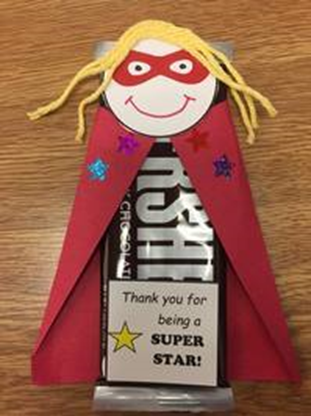
I’ve always been of the opinion that teachers get so few routine perks in their professional lives they deserve every random treat or award that meanders their way–from sticky little misspelled mash notes to free use of a leased SUV.

After all, there aren’t many workplaces where professionals end up providing their own materials, cleaning services and professional development. There aren’t many college-educated specialists who gladly share their expertise for free–or attend a weekend conference on their own dime, then arrive at work on Monday morning, without a thought for “comp time.” Because if they didn’t show up, someone would have to pay. And it shouldn’t be the teacher next door, or their students.

For these reasons, and a hundred more, nobody begrudges teachers the tokens of appreciation that come their way this week, from the handmade construction-paper cards to the potluck lunch from the PTA. I love it when teachers invite their former students to check in on Facebook–or when they post their stats (years of experience, states/countries/schools, degrees, subjects and so on). It’s good to see colleagues reclaim their honor or share a few points of pride.

But it’s time we asked ourselves just who gets ‘appreciated’ once a year–and whose work is considered vital, essential, and fully professional year-round, with no need for annual symbolic gestures. There’s something about Teacher Appreciation Week that smacks of a pat on the head for being willing to go the distance without adequate compensation or support. We’re supposed to persist and excel ‘for the kids’–a phrase that teachers rightfully perceive as specious and manipulative.

It doesn’t help that National Charter Schools Week is scheduled right after Teacher Appreciation Week (not an accident, folks). The Center for Education Reform, an organization that promotes charter schools, posted the following about Teacher Appreciation week:

‘Rather than evolve and adapt to changes in the 180-year-old factory model system of education, rather than create a new path for teachers that supports their growth over mandating uniformity and lock step acceptance of rules, [teacher associations] have dug in their heels and decided character assassination and anti-charter propaganda is best.’

So much for boosting the spirits and self-respect of teachers during their special week, eh?

Actually, I don’t know a single teacher who isn’t interested in growth–or doing a little rule-breaking, evolving and adapting. In fact, the current walk-outs, anti-voucher campaigns and eloquent education blogs are evidence that teachers are no longer satisfied with flowery sentiments or coffee mugs.

Teachers are telling their communities and state leaders that they’re sick of being underpaid do-gooders and want not only adequate salaries but control over their professional work. They want the resources necessary to succeed—but also a measure of autonomy, acknowledgment of their acquired expertise.

Perhaps teachers are tired of waiting for policymakers to speak to the fact that their working conditions and public respect–measured by classroom authority, as well as wages and benefits–are diminishing every year. Maybe teachers are ready to demand what they need and deserve, rather than hang around hoping to be ‘appreciated’ every May.

Is this a lasting change? Will exasperated teachers not rest until they’ve transformed public education?

Here’s a few crucial but often forgotten facts: In number, teachers are the largest profession in the United States. And collectively, they have the power to demand and win changes to funding and salaries. It’s a stark reminder in our post-Pandemic revival of labor influence.

Policymakers have long relied on teachers’ hearts growing three sizes through the magic of watching children light up with the joy of learning, yada yada. But as the Grinch himself might say–magic doesn’t pay the rent.

Trust (Pandemic, Day #1475)

One of the essential truths in getting a message across is repeat, repeat, repeat. Like the mothers of toddlers, teachers are well aware of this fundamental veracity. No matter how the message is delivered—Pay attention! I’m only going to say this once!—well, no. You’re not.

You’re going to say it as many times as it takes to sink in, and even then, compliance and understanding are iffy.

Here’s my essential truth: It’s been close to 1500 days since the arrival of the COVID-19 pandemic in the United States. And we still haven’t perceived just how transformative it was, dealing with a global threat while trying to keep the things we value most safe. Those things being our health and well-being, our children and families, our communities and livelihoods.

Transformative is a neutral word for all the changes wrought by living through a crisis that killed an estimated seven million people, around the globe. Well over a million of those deaths have happened in the United States, making us the nation with the most COVID-19 deaths, world-wide.

That simple fact, alone—the United States, the place where we brag about having the “best” health care on the planet, was unable to suppress transmission. Once a vaccine was available—lightning fast!—getting folks to embrace medical science and stay on top of protection that might save their lives has been thoroughly politicized and divisive. Those things, on their own, were enough to make one realize that maybe our all-American political thinking was out of whack.

So I repeat: The pandemic has really done a number on us. On our economy. On our family gatherings. On what we expect from our employees, as well as our employers. On health care. On the way we feel about government. The things we value most–including our schools.

Call it The Great Re-ordering of Priorities.

It’s become a habit of mine, when reading stories about education: running the topic or issue through the filter of how they may have been impacted by the pandemic. Here’s one: absenteeism.

Student absences from school rose precipitously during the pandemic, peaking in 2021-22. Attendance rates are improving, overall, but are still higher than 2019.

What’s interesting is that schools with dismal, not-getting-better attendance rates aren’t always the ones you’d expect—absenteeism seems to be impacted by local conditions and initiatives, kids and parents re-ordering their priorities. Not up for school today? Go ahead—take a mental health day. Or five.

Schools struggling with attendance after a world-shaking event? Go figure. It’s going to take some time to fix that, and misinformation about how “unions” “closed” schools, abandoning kids to Zoom, doesn’t help.  From an article on school absences, in the NY Times:

School leaders, counselors, researchers and parents…offered many reasons for the absences: illness, mental health, transportation problems. But underlying it all is a fundamental shift in the value that families place on school, and in the culture of education during the pandemic.

Re-ordering the priorities. And not in a good way.

In her excellent blog, Jess Piper talks about the decline in civility at local school board meetings, among other things, triggered by a pandemic:

Recently, I saw this bad behavior up close and personal when I attended a BOE meeting at a school district outside of St Louis. Though I had an awful interaction with a parent or two in my tenure, I hadn’t witnessed the decline in civility and the outright disrespect shown in public. The lack of couth wasn’t just reserved for teachers, but was also aimed at administrators, board members, audience members, and community members.

One of the first to speak was a woman who brought her daughter to stand next to her while mom called the Superintendent names and defamed teachers. I was upset that the young girl had to stand there while her mother went over her time, refused to stop speaking when told her time was up, and still spoke, even raising her voice, when her microphone was eventually muted. She just kept going.

How did this young girl learn to treat her teachers? She learned disrespect and inappropriate behavior will be rewarded with a slew of applause.

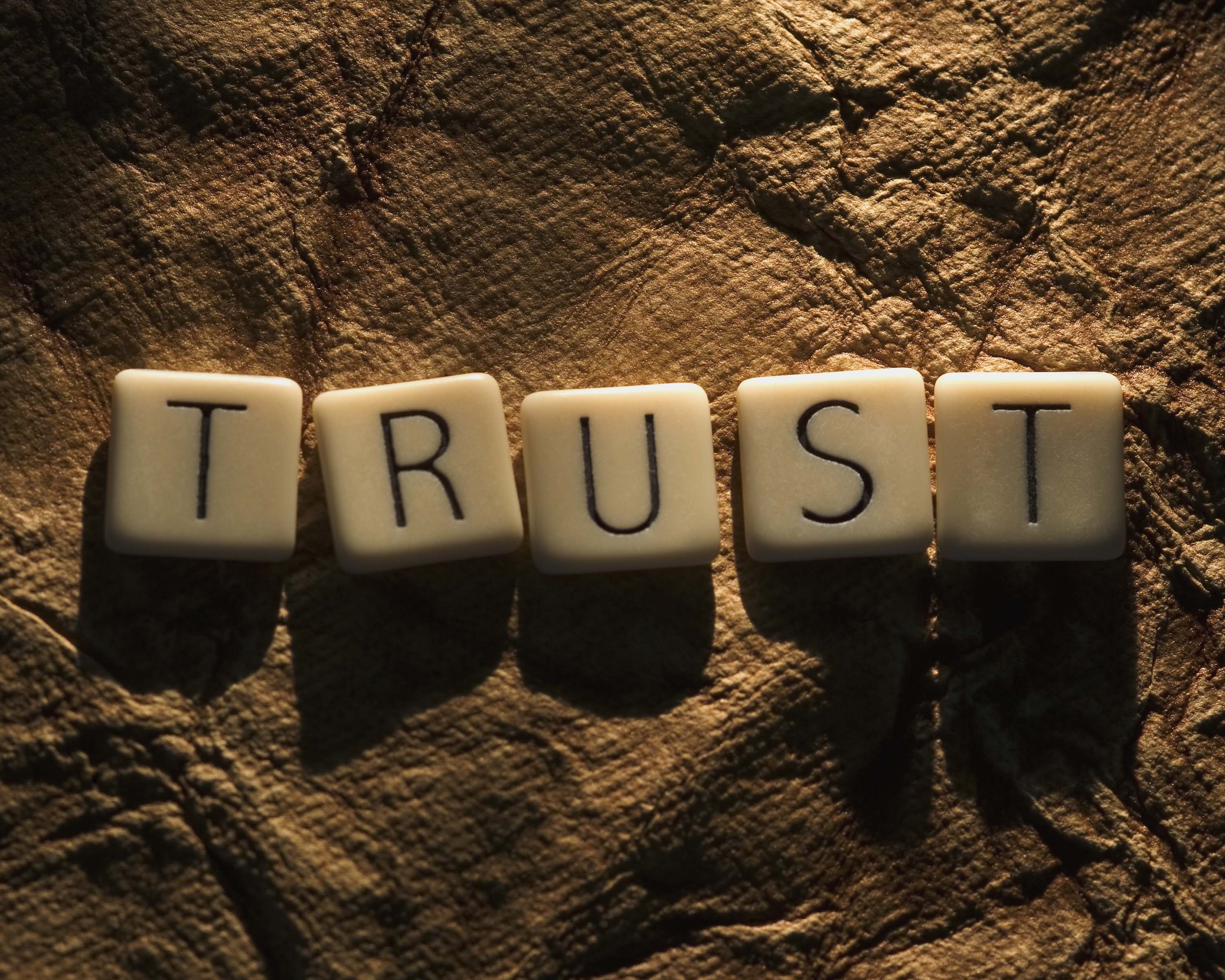
Bingo. All the footage of parents pushing into buildings, upset about masking or sports or vaccinations hasn’t been conducive re-building respect and trust. And trust is a core resource in successful public schools.

Lucian Truscott has a great piece (link here) on realizing, in the grocery  store, that his fellow shoppers  weren’t maskedthat he himself, in fact, had stopped routinely masking. He acknowledged that he trusted himself and his neighbors to take responsibility for protecting themselves from COVID.

 It was a nice moment for him, thinking about the word trust—how long it takes to re-build simple neighborly trust, especially when it’s been shattered by transformative events. Expecting our public institutions to remain unchanged or “bounce back” is happy talk. We’re in the midst of some pretty significant shifts.

After the pandemic of 1918:

The Spanish Flu greatly affected the world economy, wiping out large numbers of healthy 18- to 40-year-olds. In Britain, during the Summer of 1918, in a single day 80 out of the 400 workers of a spinning factory perished. In many countries which had seen their male population decimated by the war, the pandemic left even fewer young men to run the farms and factories.

The resulting labor shortage enabled workers to demand better living and working conditions, public health care, as well as better wages. These became major demands of workers not only in Europe and the United States but in many other countries around the world. 

Once again: We are underestimating the impact on the nation, and especially our children. of living through a global catastrophe Let’s put our focus on the right priorities. In spite of all the challenges to public education, it’s still the best bang for your tax buck, in perpetuity. Good schools make for good communities.

Trust is a cornerstone. Repeat, repeat, repeat.

Dissecting Republican Messaging, 101

There it was, in my local newspaper, the Traverse City Record-Eagle. Headline: Michigan kids are in crisis and the governor’s new budget only makes it worse.

You can practically hear the exclamation points, can’t you? Don’t bother trying to read it—it’s paywalled, and not worth 99 cents. In fact, it’s Republican sludge, a perfect example of how to use meaningless scary-talk, unsubstantiated by anything resembling reason or fact.

The author, Beth DeShone, is Executive Director of the Great Lakes Education Project.  Don’t bother going to their website, either—because up top, the organization is described by a boldfaced lie: a bi-partisan, non-profit advocacy organization supporting quality choices in public education for all Michigan students.

That’s some expert wordsmithing right there, as if an organization founded and funded by Betsy DeVosa fact you will find nowhere on GLEP’s website–could ever be “bi-partisan.”  I haven’t been to GLEP’s website in some time, but there’s not much there anymore.

No staff listed (beyond DeShone), no Board to guide their editorial choices—just a bunch of right-wing blah-blah about Our Public Schools are Failing. Plus a side helping of Thanks Republicans for Trying to Retain Rigorous Standards! (By which they mean the rigorous standard of flunking third graders who aren’t reading at grade level.)

There’s a Twitter account (don’t bother) and a Facebook page where the big news is that GLEP is apparently being spanked for using copyrighted images. GLEP, which once put out a lot of negative editorial content about public education, now seems to be a Potemkin Edu-Village, trying to keep up anti-public school appearances online, while the rest of us are, you know, teaching and learning and actually trying to improve the education system that built Michigan.

So it was a surprise to see GLEP pop up in my local daily. Here is DeShone’s first sentence:

A devastating new report from researchers at Harvard and Stanford universities showed Michigan’s kids have lost nearly half a grade level in reading and math education since state officials and public school bureaucrats ignored medical science and locked them out of the classroom in 2020 and 2021.

Test scores from kids around the world have dropped after experiencing a global pandemic. That’s no surprise. What’s less often reported is that American kids, relatively speaking, did better than many other first-world counterparts:

American students improved their standing among their international peers in all three areas during the pandemic, the data says. Some countries did better than the United States, and the American results do show some areas of concern. But U.S. school policies do not seem to have pushed American kids into their own academic black hole. In fact, Americans did better in relation to their peers in the aftermath of school closures than they did before the pandemic.

So much for ‘ignoring medical science’ and ruining kids. Besides—here in northwest Michigan, several schools remained open, because families did not have access to the internet. The Traverse City public schools arranged for a day off and health department priority in getting their teachers vaccinated. Local schools were paying attention, listening to parents, doing their best under crisis circumstances. Did everyone agree with every decision? Of course not. It was a “damned if you do/damned if you don’t” situation.

DeShone then pivots to some spurious data: How is it that 86% of Black fourth graders in Michigan aren’t proficient in reading? How could our kids be so far behind?

Well. Perhaps it’s because, under a Republican governor, and after adjusting for inflation, Michigan’s education funding in 2015 was only 82 percent of what it was in 1995 — worse than any other state.We’ve been playing financial catch-up for the past six years, and having a pandemic interrupt school as normal didn’t help. And that’s not even factoring in the Republican plan to take over ‘failing’ districts, then proceeding to fail them even further. Or the fact that “proficient” doesn’t mean what most people think it does.

Here are a few more bon mots from Ms. DeShone:

The Governor’s budget spends public school dollars to pay for the lunch for the children of millionaires.

Our students have fallen faster and farther behind in reading and math than ever imagined.

Governor Whitmer’s brand-new budget request for the coming year is only going to do more damage. A lot of it. It’s time to empower parents.

Here’s the thing: Governor Whitmer has been a positive force for public school funding. It’s been a relief to have an education-friendly governor in Lansing. Education budgets have been stable, and her initiatives focused on non-punitive policy, like getting rid of mandated retention for third graders who are behind in reading. The budget has provided funding for all kids to have breakfast and lunch at school, if their district chooses. Per-pupil expenditures have been creeping upwards.

The Repubs have pushed back against Whitmer’s plan to fully fund universal Pre-K, and they really hate her idea of free community college, an attempt to raise education levels in a state where working on the line at GM used to provide a family wage and maybe a cottage up north.

If you really want to dissect the proposed education budget and its priorities, and not just call names and throw out baseless (and, frankly, weird) accusations, try this link.  

There are probably worse states to be in, right now. We aren’t worried about our next Superintendent executing Democrats, for example. But I am still infuriated by DeShone’s editorial. There’s a whole paragraph about the alarming increases in “schools in crisis” that fails to define what a school in crisis is or looks like. There are punches to parents’ guts mentioned; also–parents who “care deeply.”

And that’s the thing that bothered me most—the cozying-up to parents and suggesting it’s time to “empower” them. It’s a column—theoretically—about the upcoming Education budget. The people who are making decisions about what to spend on education are in the State Legislature. The way to get influence over those decisions is to call your legislator or run for office. We’re not empowering parents to craft an education budget.

Maybe it’s because I just read Rachel Bitecofer’s Hit ‘em Where it Hurts, but I immediately recognized that “empower parents!” message, the centerpiece of Republican education politics in 2024. It’s a short, emotion-driven sound bite.  It can mean whatever you want it to mean.

Kind of like that editorial in my newspaper.