So—I just had a birthday. A big, round-number birthday.
All my life, my birthday has taken place in and around Labor Day weekend, and—fairly often—happened on the first day of school. For my entire elementary school career, my new school shoes, binder and pencil box were ‘birthday presents.’ (Sad trombone.) Kindergarten:

But I didn’t mind. The whole Labor Day weekend–in my experience–represents the new year, academically and seasonally, a fresh start. One year older, one year wiser, roll up your sleeves. A day to honor my personal antecedents, who were Dutch farmers and hands-on laborers. Country builders. People who truly appreciated the respite of a long weekend and family barbecue.
When you turn 75, your past divides neatly into thirds (and lets you plan, as Gloria Steinem did, to live to 100). Although neither of my parents (58, 73) celebrated their 75th birthday, my grandmother (also named Nancy) made it to 103, so a century does not seem out of reach.
I do not remember most of my birthdays. Who does? But I do—clearly—remember #25 and #50. Thinking about them is a good way to reflect on what I’ve accomplished and what I have left to do.
I turned 25 in Aspen, Colorado with my then-boyfriend, now husband. I had already been married at 19 and divorced, returned to school to finish the degree and started my first big-girl job as a middle school band director, although it took at least two dozen humiliating interviews followed by rejections. Mostly because who ever heard of a woman band director?
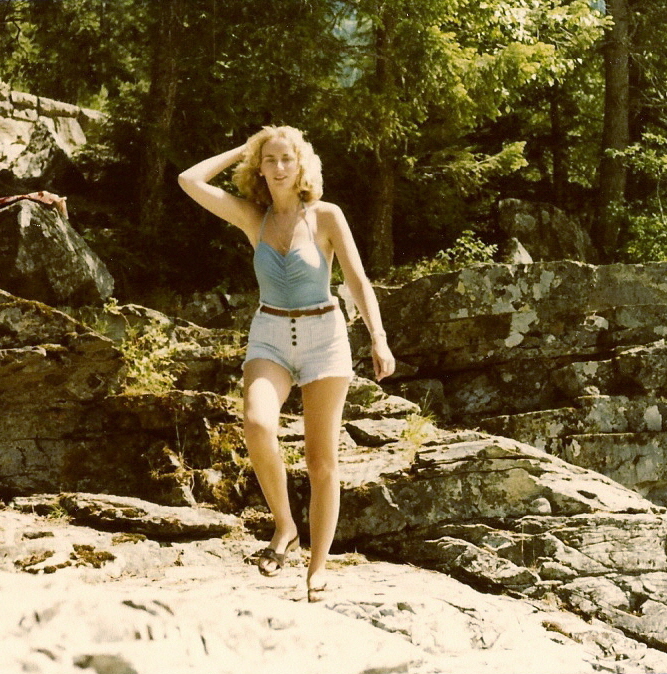
It was a fun birthday, camping at Maroon Bells in the Snowmass Wilderness area. On my birthday eve, we went bar-hopping in hippie-town Aspen. Things are a little blurry, but we had five days to drive across the country and get back in time for teacher report day, the Tuesday after Labor Day. It felt as if my life were finally falling into place. Adulthood. In Colorado:
The chunk from 25 to 50 was all about family and professional goals. We were married, had two children, and I learned what it meant to be fully engaged in both motherhood and putting equal energy into becoming an accomplished teacher. We bought a house and lived there for 10 years. Then we bought another house and lived there for 20 years.
I both earned (National Board Certification) and won (Michigan Teacher of the Year) some awards for teaching. Early on, I completed a master’s degree in education at Michigan State. We took some amazing vacations, seeing at least 20 National Parks. A month before I turned 50, we went to South Korea for two weeks and Maui for another week.
I turned 50 on September 2, 2001, just nine days before 9/11. My sister and brother, spouses and kids came for a Labor Day weekend picnic. My sister wrote a snarky poem about how old I was, and there was a paper crown.
But 9/11 was a turning point. I had been teaching for more than 27 years, same job, no formal advancement (teachers everywhere, I see you nodding your heads). I felt restless. I took a Teacher in Residence job with the National Board for Professional Teaching Standards for two years—then, because the grass isn’t always greener, went back to the same school district.
I was welcomed back with open arms by parents and my colleagues. But not administrators, who suddenly saw me as Too Big for my Band Director britches. I got politically involved. I helped plan the Save Our Schools rally. I got bounced from job to job in the school district; I was a person who could no longer be trusted to put her head down and cooperate.
This third quadrant of my life has been—creaky knees excepted—by far the best and most rewarding. I retired, and launched into a PhD program in education policy. I did the coursework, but stalled, ABD, when my advisor (a famous educator) blocked my proposed dissertation topic. Instead of diligently working through this conundrum, I thought about how much more I knew, having been a target of education policy for 30+ years, than my doctoral cohort of 20-something Teach for America dropouts.
So I quit, something I hadn’t allowed myself to do for 60-odd years.
Since then, we have moved to paradise, aka the Little Finger of the Michigan mitten. I’ve had a half-dozen part-time jobs teaching, writing and directing church musicians. We have traveled every year, and spend February in Arizona. We attend lectures and go to concerts.
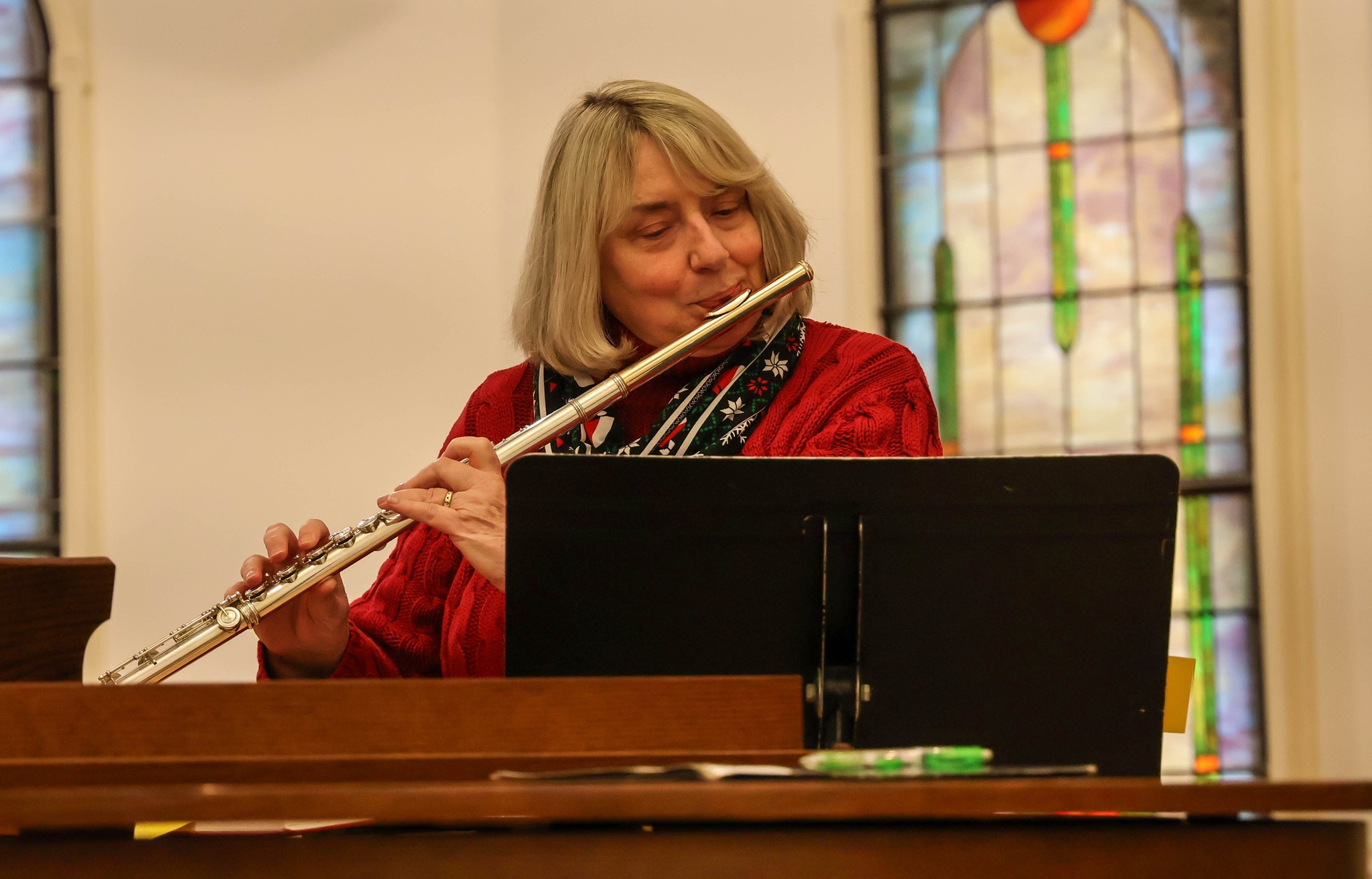
Best of all, I have been able to pursue the thing that got me into college, the first in my family to do so: music. I play in multiple community groups. I have time to practice. My new friends are mostly musicians.
And I muse about the maiden/mother/crone sequential archetypes in the lives of women—I am now the third, the wise woman who cares little about what others think, pursues important goals, advocates for long-term change. Also: hangs around the house, drinking wine and binge-reading.
In the past month, three of my role models have died—Dolly Parton, Wendell Berry and Gloria Steinem. It was Steinem who got me out of that first, disastrous marriage, by starting MS. Magazine, a revelation to me, and my first magazine subscription, because it was not available at the drugstore.
The NYT called Steinem “the personification of the Women’s Movement”—and I think that’s right. I read all her books, checking them out of the library. Revolution from Within was my favorite, but each of them reminded me that my voice mattered. And also that I deserved to have a credit card and my own checkbook.
I was born on the same day as Mark (still delicious) Harmon. Chrissie Hynde turns 75 today. There are plenty of us still kickin’ and taking names. And—it has to be said—trying to get us out of the ugly morass we find ourselves in. I hope to be part of the movement that sees him and his sycophants gone, although I know it will take more than 25 years to cleanse and re-direct the nation.
Four days after Donald Trump’s second inauguration, she wrote an entry called “Staying Hopeful: One of the uses of a long life is remembering when things were worse, and also remembering that when bad times do come, so does an outpouring of community and energy amongst those dedicated to justice.”
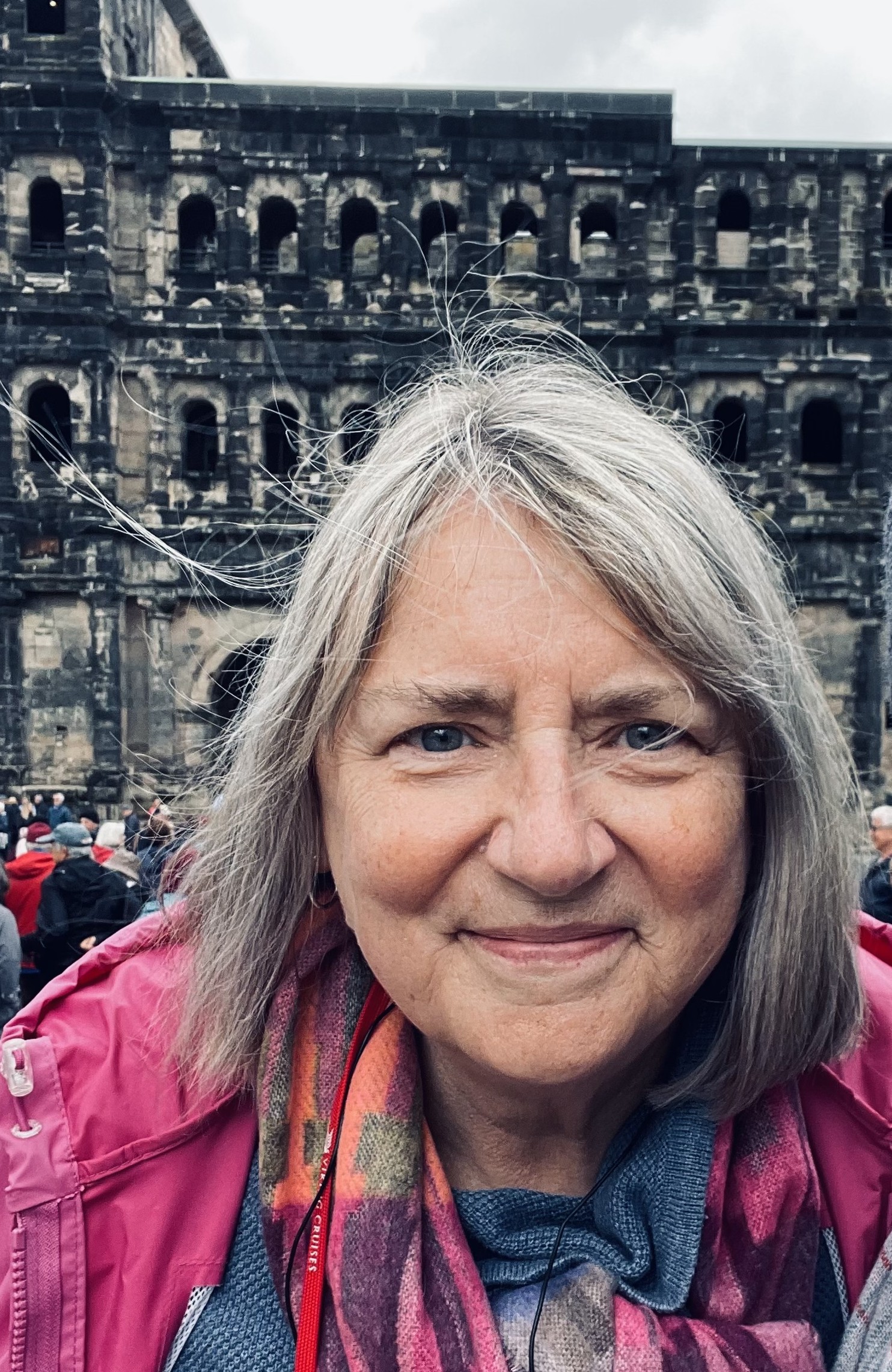
Amen. (Below, Porta Nigra in Trier, Germany.)